Sydney sits on the south-east coast of Australia at roughly 34 degrees south — in what meteorologists call a humid subtropical climate. In practice this means warm to hot summers, mild winters, and a level of year-round sunshine that surprises most visitors from the northern hemisphere. Rain can come in any season but rarely dominates for long. Snow is essentially unheard of. The city is genuinely usable every month of the year, which is one of the things that makes it so difficult to give a single answer to the question of when to visit. The right month depends on what you're prioritising.
Sydney summers are warm and reliably sunny, with average temperatures of 25–30°C. The beaches are at their best — Bondi, Manly, and Coogee are buzzing with energy, the water is warm enough to swim in, and the long evenings are made for outdoor dining and harbour walks. The city feels electric in a way it doesn't at other times of year.
The trade-offs are significant. This is peak tourist season. Prices are higher across accommodation, tours, and restaurants. Popular spots are crowded. January in particular fills with both international visitors and Australians on school holidays. Heat above 35°C isn't unusual in January and February, occasionally pushing beyond 40°C on extreme days. And December's New Year's Eve, while extraordinary if you're here for it, makes the entire city operate at full capacity.
Autumn is the best-kept secret in Sydney tourism. The summer heat softens into warm, settled days of 18–24°C. Rainfall is low. The light shifts into something golden and generous that photographers know well. The crowds that filled January and February have dispersed, and the city relaxes back into itself — easier to move around, easier to get a table, easier to find a quiet moment at Mrs Macquarie's Chair.
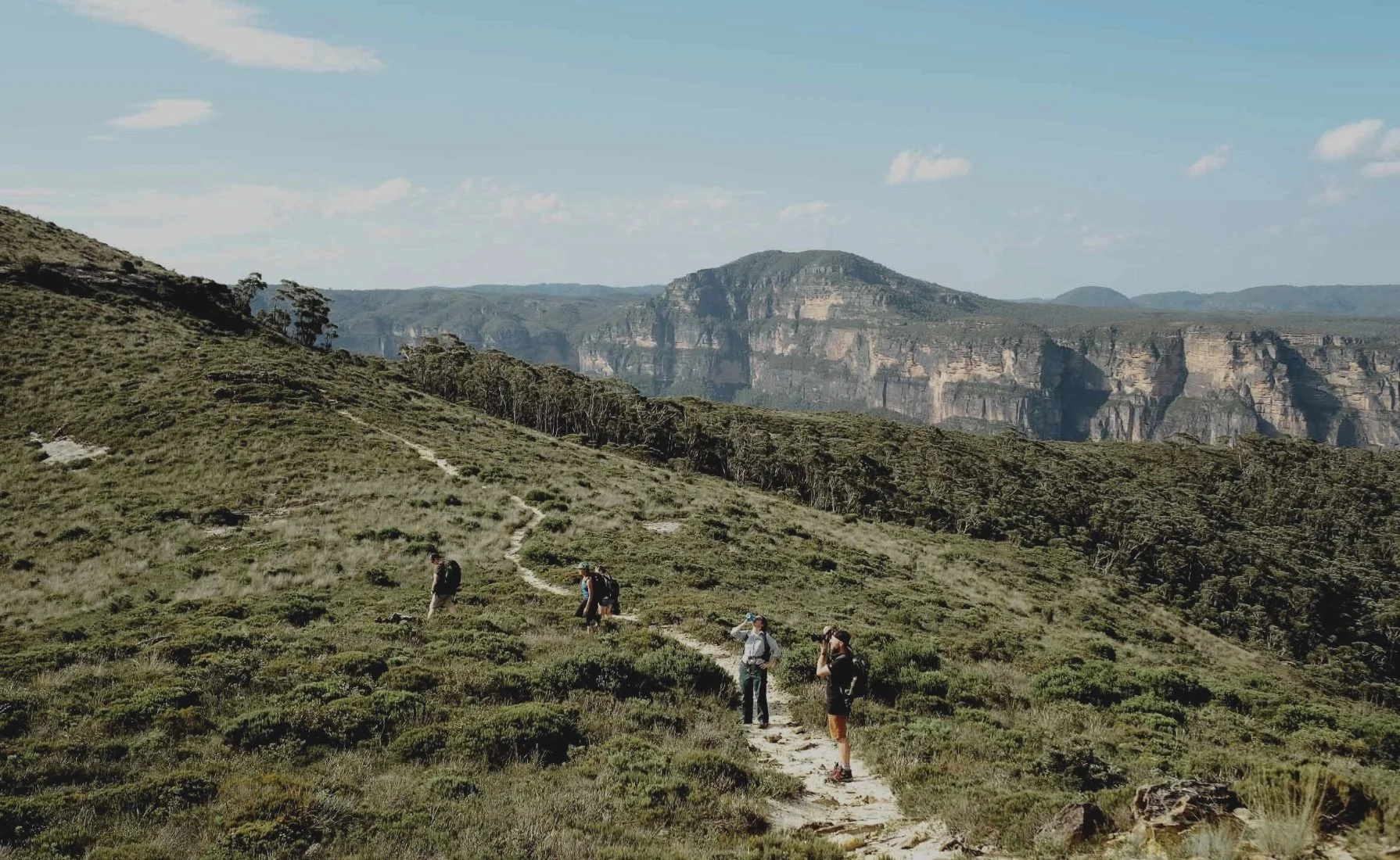
The Blue Mountains are particularly stunning in autumn. The deciduous trees in Leura and Blackheath turn gold and red in a way that genuinely surprises most Australians — we don't expect to find it at home. The Southern Highlands are lush and green. Every tour we run in March and April feels effortless in a way summer tours rarely do.
"Autumn is the best-kept secret in Sydney tourism. The crowds have gone, the light is golden, and the city relaxes back into itself."
Sydney winters are mild by almost any international standard — rarely below 10°C, often sunny, with a clarity of light that makes the harbour views exceptional. If your priority is city touring, cultural experiences, and the harbour rather than the beach, winter is genuinely excellent. The sky above Sydney in July is often a shade of blue that's hard to photograph properly.
Whale watching season peaks in winter, as humpback whales migrate north along the coast between June and October. It's one of the most extraordinary wildlife experiences available from Sydney, and it only happens in these months. The Vivid Sydney festival of light, music, and ideas runs through May and June, illuminating the Opera House and harbour in a way that's worth planning around.
The Blue Mountains can be cold and misty in winter — which is either dramatic and beautiful or simply cold, depending on your outlook. Pack layers regardless. Visitors from Europe or North America generally find Sydney's winter pleasantly mild.
Spring is one of Sydney's most beautiful seasons on the calendar and one of its least predictable in practice. The jacaranda trees that line the streets of the inner suburbs bloom purple in October and November, creating one of the city's most iconic seasonal spectacles. Temperatures are warming back toward summer levels, the harbour is gorgeous, and September and October still offer manageable crowds before the summer rush.
The weather caveat is real: Sydney springs have a well-earned reputation for sudden storms and unpredictable showers. It rarely disrupts a full day out entirely, but carrying a light layer and having a loose plan for rainy stretches is sensible. By November the summer crowds are starting to build and prices begin to edge upward.
| Month | Avg Temp | Season | What to Expect |
|---|---|---|---|
| January | 28°C | Summer | Peak season, school holidays, NYE glow lingers. Hot, bright, crowded. |
| February | 28°C | Summer | Hot and humid, but noticeably quieter than January. Good beach weather. |
| March | 25°C | Early Autumn | ★ Our top pick. Warm, calm, golden light. Crowds gone. Ideal for everything. |
| April | 22°C | Mid Autumn | ★ Excellent. Blue Mountains stunning. Perfect touring weather. Best value. |
| May | 19°C | Late Autumn | Cooling but beautiful. Vivid Sydney festival begins. Quietest month for crowds. |
| June | 16°C | Early Winter | Whale watching begins. Mild and clear. Vivid Sydney runs. Pack layers. |
| July | 15°C | Mid Winter | Coldest month. Crystal-clear skies. Excellent harbour visibility. Best rates. |
| August | 16°C | Late Winter | Quietest month of the year. Great value. Warming slightly toward month end. |
| September | 19°C | Early Spring | Warming up, good value, gardens blooming. Variable weather begins. |
| October | 22°C | Mid Spring | Jacarandas bloom — stunning in Kirribilli and Newtown. Beautiful month. |
| November | 24°C | Late Spring | Pre-summer energy. Warm and lively. Crowds and prices starting to build. |
| December | 26°C | Early Summer | Festive and busy. NYE is extraordinary. Book everything well in advance. |
-
01
Avoid January School Holidays
Sydney's summer school holidays run through January. Prices peak, popular attractions have long queues, and accommodation books months in advance. If you're visiting in summer, December or February are noticeably calmer and better value.
-
02
Autumn is the Insider's Choice
March to May is our consistent recommendation. Warm, settled weather, the city at its most beautiful light, and far fewer crowds. The Blue Mountains are at their most dramatic and the Southern Highlands are lush green. Almost no downside.
-
03
Winter is Genuinely Underrated
If your priority is the city, harbour, and day trips rather than beach swimming, winter is excellent. Skies are often crystal clear, harbour views are at their best, and you'll share Sydney with far fewer tourists. Whale watching is a genuine bonus.
-
04
The Jacarandas are Worth Timing For
October and November, Sydney's streets turn purple with jacaranda blossom — particularly in Kirribilli, Newtown, and along Lavender Bay. It's one of the most distinctive seasonal spectacles in Australia and worth factoring into your dates if you can.
-
05
Always Pack a Layer
Sydney's weather can surprise even in summer — the coast can turn breezy quickly, and the Blue Mountains run 5–8°C cooler than the city. A light jacket is a year-round essential regardless of when you visit.
-
06
Shoulder Seasons Offer the Best of Both
March, May, September, and October give you warm weather without peak-season crowds or pricing. These are our most popular months for a reason — and the months where everything tends to feel most effortless.
The summer heat has softened, the tourist crowds have thinned, and Sydney is bathed in the most beautiful light of the year. The Blue Mountains are dramatic with early autumn colour, the Southern Highlands are lush, and the harbour does what Sydney harbours do best — glittering in golden afternoon light without a hundred other people in the way. That said, Sydney rewards visitors in every season. The best time to visit is ultimately the time that fits your schedule — and this city will give you something extraordinary whenever you arrive.