Sydney is one of those cities that most visitors feel they understand before they arrive — the Opera House, Bondi, the Bridge — and then spend their entire trip realising they'd barely scratched the surface. The city's famous landmarks are genuinely worth seeing. But they're the beginning of the story, not the whole of it. The Sydney that locals know is a city of hidden harbour beaches, clifftop walks above the Pacific, ferry rides through one of the world's great waterways, and laneways that carry 200 years of history in their sandstone walls. This is the list we'd give a friend.
Everyone comes for the harbour — and they should. But the real magic is beyond the Opera House foreshore. Find Mrs Macquarie's Chair at dawn, when the sails catch the first light in gold and pale pink and you'll have long stretches of the waterfront almost entirely to yourself. Cross to the north shore and look back at the skyline with the Bridge in the foreground. That view — from Kirribilli, or from Bradley's Head in the national park — is the one that stops people in their tracks, and most visitors never find it.
The harbour is also best understood from the water. The Manly Ferry from Circular Quay crosses the full expanse of the harbour, passing under the Bridge and out toward the Heads where the ocean meets the waterway. It costs the price of a bus fare and is one of the great 30-minute experiences in the world.
If you do one thing in Sydney, make it this. Six kilometres of dramatic clifftop coastline — ocean pools carved into the sandstone, hidden beaches accessible only on foot, sweeping views of the Pacific, and a quality of light in the morning that makes the walk feel genuinely cinematic. Start at Bondi before 8am when the path is quiet and the beach belongs to the ocean swimmers and surfers.
The walk passes through Tamarama — smaller than Bondi, loved fiercely by locals and largely unknown to tourists — then Bronte with its ocean pool and sheltered beach, then Clovelly where the water is calm enough to snorkel directly off the concrete edge, before the final stretch into Coogee. Allow two to three hours at a comfortable pace, more if you stop for a swim, which you should.
"The Sydney that locals know is a city of hidden harbour beaches, clifftop walks above the Pacific, and laneways that carry 200 years of history in their sandstone walls."
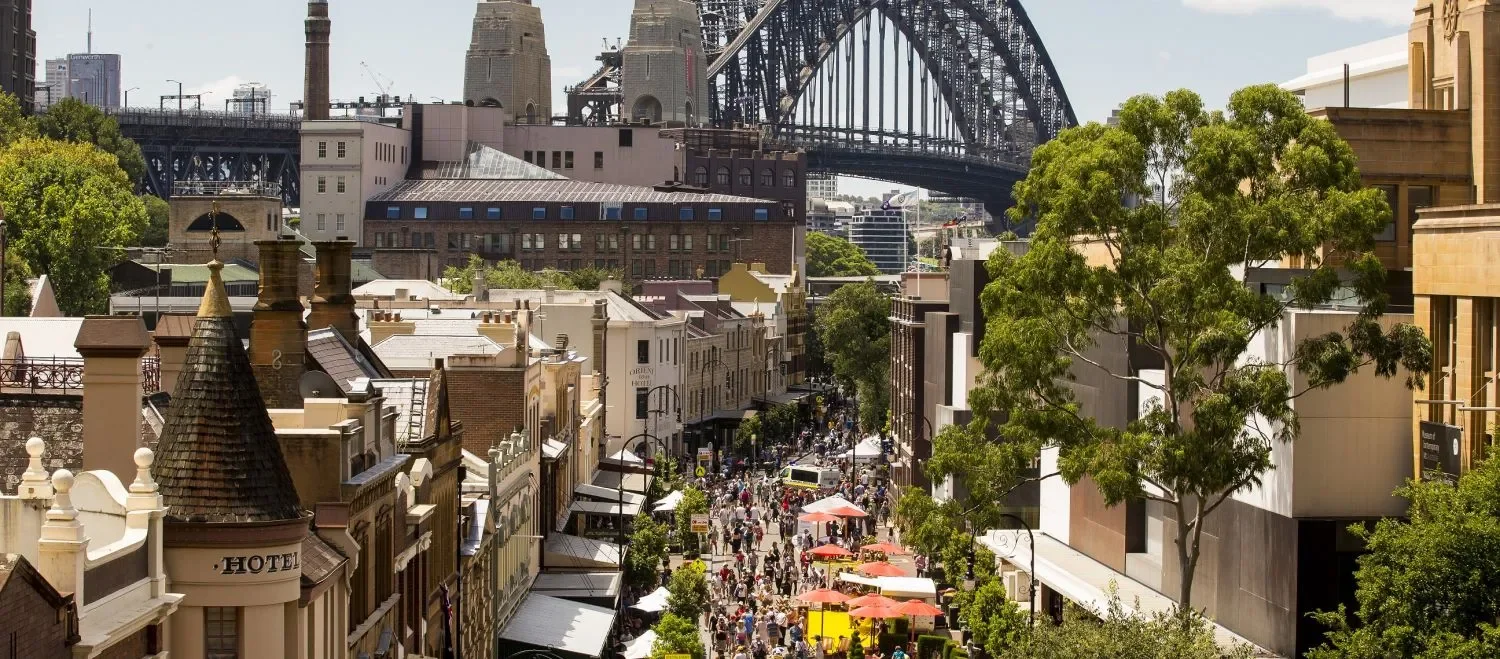
Most visitors walk through The Rocks in twenty minutes on the way to the Opera House. That's a mistake. This is where the British colony first took root in 1788, and the neighbourhood carries more history per square metre than anywhere else in Australia. The original convict-era laneways — Suez Canal Lane and Nurses Walk, tucked off Cumberland Street — are streets that almost nobody finds and that have barely changed in two centuries.
The sandstone warehouses along Argyle Street, the heritage pubs that have been operating since the early 1800s, the views from the Harbour Bridge pedestrian walkway (free, open to the public, extraordinary) — The Rocks rewards those who slow down and look properly. Most people don't give it the morning it deserves.
The single most underrated spot in Sydney. Nielsen Park sits in bushland in Vaucluse, at the end of a road that most tourists never take. Shark Beach sits below the trees — shark-netted, calm, extraordinarily clear — with a direct view back to the Opera House and Harbour Bridge that almost nobody knows about. On a weekday morning in autumn you can arrive and have it almost entirely to yourself.
The national park surrounding the beach has walking tracks through Sydney Harbour National Park bushland to Hermitage Foreshore and beyond. The kiosk at the beach is good. The view from the lawn above the sand, with the harbour framed by ancient Sydney sandstone cliffs, is better than almost anything you'll find at a more famous location.
Take the Manly Ferry from Circular Quay — not the JetCat, always the regular ferry. The 30-minute crossing under the Harbour Bridge and through the full expanse of Sydney Harbour is one of the great short ferry rides in the world, and the fast service misses all of it. Manly itself is the only place in the world where you can walk from an ocean beach to a harbour beach in ten minutes — The Corso, a pedestrian mall, connects them directly.
Walk to Shelly Beach for snorkelling in clear water that's protected from the swell. Take the first section of the Manly Scenic Walkway north from the wharf into Sydney Harbour National Park — even 20 minutes along this clifftop track delivers sandstone headlands, pristine bush, and harbour views that most visitors to Sydney never see. End with a drink at the Manly Wharf Hotel as the sun drops across the water.
The eastern suburbs of Sydney are where the city meets the harbour in the most dramatic and concentrated way. Vaucluse, Point Piper, and Rose Bay line the water with extraordinary architecture and a succession of small harbour beaches that barely appear on any tourist map. Parsley Bay has a hidden suspension bridge above a calm beach accessible through residential streets. Camp Cove is where Arthur Phillip first stepped ashore in January 1788 — a small calm beach below a headland with the entrance to the harbour just visible to the north.
South Head, at the tip of the peninsula, gives you one of the most dramatic views in Sydney — the harbour entrance with the Pacific behind it, the lighthouse above the cliffs, and the occasional container ship moving through the gap below you. This is Sydney at its most elemental and most beautiful, and it takes no more than a 20-minute drive from the city centre.
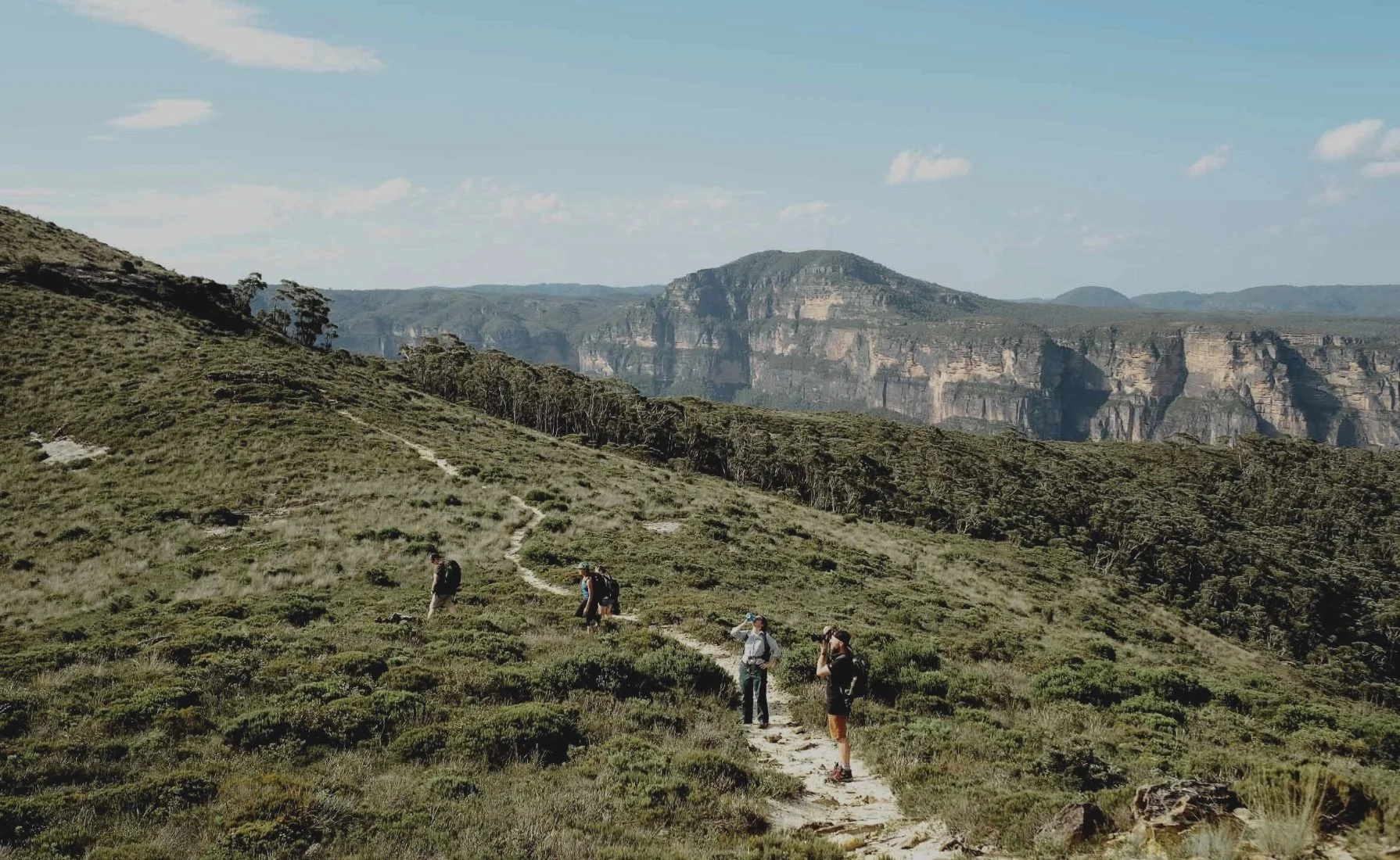
No visit to Sydney is complete without a day in the Blue Mountains. Ancient sandstone escarpments dropping into vast eucalyptus valleys, Jurassic rainforest accessible by the world's steepest passenger railway, waterfalls that plunge into gorges most day trippers never reach. The Three Sisters at Echo Point is the famous view — and genuinely impressive — but the mountains reward those who go further.
The Prince Henry Cliff Walk delivers continuous panoramic views along the escarpment edge for as long as you want to walk it. Wentworth Falls canyon requires a 20-minute walk most people skip, and rewards them with one of the finest lookouts in the mountains. Leura village, ten minutes from Katoomba, is beautiful for lunch and an unhurried walk through its heritage streets. The mountains run 5–8°C cooler than Sydney — always pack a layer regardless of season.
Victorian terrace houses with iron lacework balconies, streets lined with fig trees, the best independent restaurants in the city, and a pace of life that belongs to a neighbourhood rather than a tourist district. Paddington's Oxford Street is where Sydney's most interesting independent shops have been operating for decades, without any particular interest in being discovered. The Art Gallery of NSW, at the edge of the Domain, has free entry to its permanent collection — one of the finest in Australia.
Paddington Markets on Saturday morning is one of Sydney's great weekly rituals — fashion, art, food, and a particular quality of Sydney light that falls between the terraces in the mid-morning. Surry Hills, five minutes further west, is younger and extraordinary for food: Thai, Vietnamese, Japanese, Korean — some of the best Asian cooking in Australia. Crown Street is the city's finest dining strip, and it operates almost entirely without tourists.
-
01
Start Your Days Early
Sydney's most iconic spots — Bondi, the Harbour Bridge walk, the Rocks laneways — are transformed before 8am. The light is extraordinary, the crowds haven't arrived, and the city feels entirely yours. Late mornings are when the tour buses roll in.
-
02
Always Cross to the North Side
Most tourists see Sydney from the south side of the harbour. Cross to Kirribilli, Milsons Point, or McMahons Point and look back. The view of the Opera House and Harbour Bridge from the north — with the city skyline rising behind — is the one that makes people catch their breath. Most visitors never find it.
-
03
Take the Regular Manly Ferry
There are two ways to get to Manly — the regular 30-minute ferry and the faster JetCat. Always take the regular ferry. The slow crossing under the Harbour Bridge and through the middle of the harbour is one of the great Sydney experiences. The fast ferry misses all of it.
-
04
The Blue Mountains Need a Full Day
Many visitors try to squeeze the Blue Mountains into a rushed half-day. Don't. The drive is 90 minutes each way and the mountains reward time — a walk into the valley, a stop at a waterfall, lunch in Katoomba, the quiet lookouts in the late afternoon light. Give it a full day or stay overnight.
-
05
Go East for the Best Beaches
Bondi gets all the attention but the eastern suburbs coastline is full of extraordinary beaches that most visitors never find. Nielsen Park, Camp Cove, Milk Beach, Parsley Bay — calm harbour swimming, dramatic headlands, and almost no crowds. These are worth the effort to reach.
-
06
Always Pack a Layer
Sydney's weather can surprise even in summer. The coast turns breezy quickly, the harbour is exposed, and the Blue Mountains run 5–8°C cooler than the city. A light jacket is a year-round essential regardless of what the forecast says when you leave the hotel.